Free Fire Practice That Makes A Difference
5 August 2026 | 126
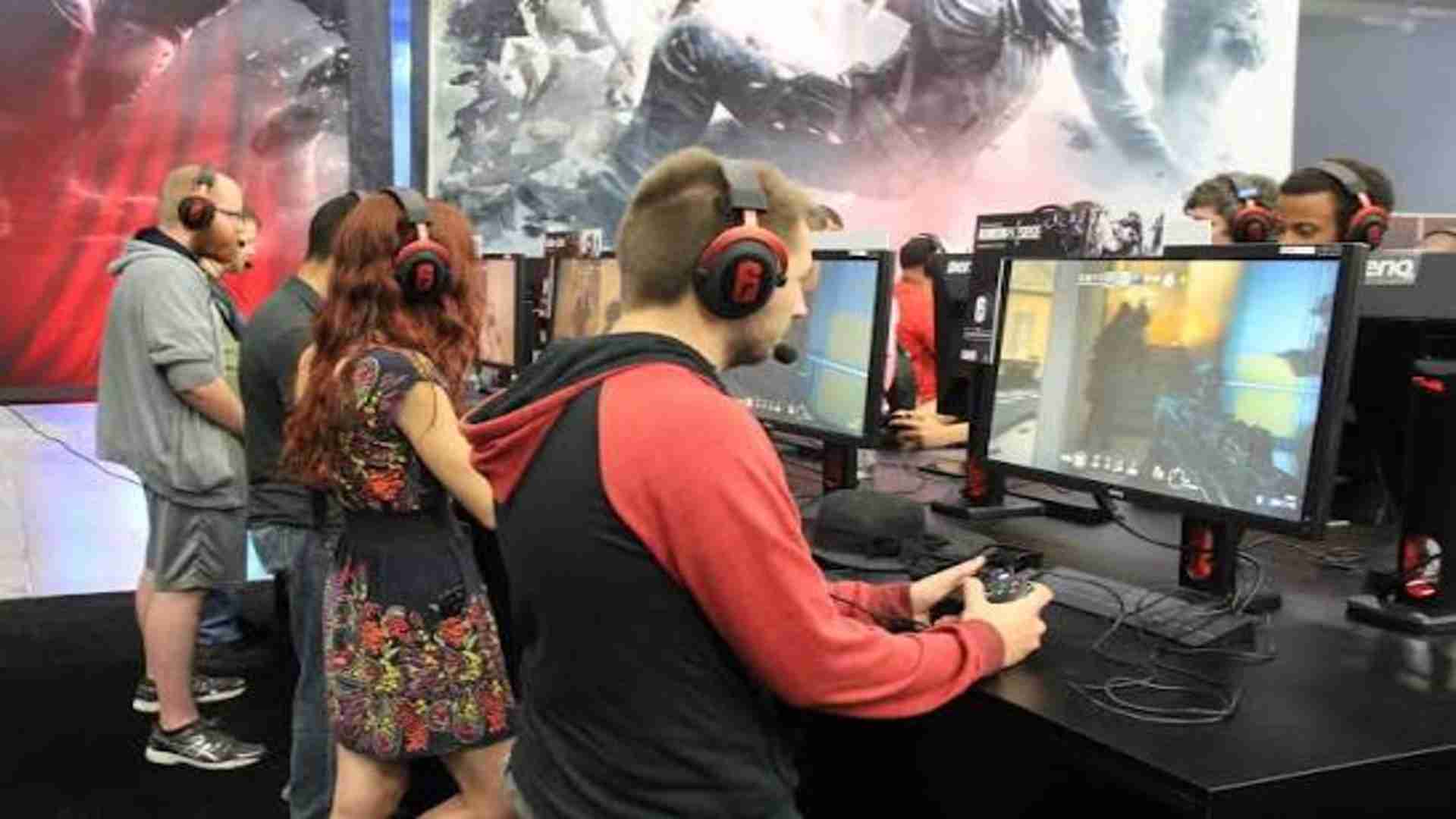
Improving your performance in Free Fire requires a deliberate strategy that goes far beyond simply playing multiple matches a day. Many players find themselves stuck in the same rank because they repeat the same mechanical errors without analyzing their gameplay habits. Transitioning from an average competitor to a top-tier survivor demands a focused routine designed to build meaningful skill progression.
Isolating Mechanical Skills in Training Modes
Spending dedicated time in the training ground allows you to master weapon recoil and maximize your crosshair placement without the pressure of rank deduction. Practicing your drag headshots with different weapon categories ensures you remain highly versatile during unpredictable battle royale encounters. This isolated environment builds the reliable muscle memory needed to win fast-paced duels automatically.
In addition to weapon practice, perfecting your movement mechanics is crucial for survival in open spaces. Utilizing fast crouching techniques and mastering quick weapon switching can significantly reduce your vulnerability during intense skirmishes. Developing these sharp individual skills provides a massive tactical advantage before you ever step onto the competitive map.
Developing Positional Awareness and Rotations
Mechanical skill alone will not guarantee victory if your positioning constantly leaves you exposed to multiple enemy angles. Successful survivors learn to read the shrinking safe zones early, allowing them to secure high-ground advantages before rival squads arrive. Prioritizing natural cover like ridges and dense structures ensures you maintain control over your immediate surroundings.
Effective map rotation also means knowing exactly when to avoid conflict and when to gatekeep incoming players. Tracking the flight path of the plane helps you predict where enemy squads will likely move as the circle collapses. Anticipating these shifts prevents your team from getting caught in the open during crucial late-game transitions.
Refining Utility Usage and Team Communication
Mastering the instant deployment of Gloo Walls is one of the most vital defensive capabilities a player can develop. Learning to place protection at a moment's notice can completely turn the tide of an ambush when caught without natural cover. Additionally, learning the precise timing for throwing cooked grenades ensures you can flush out defensive camps effectively.
When playing in full squads, maintaining clear vocal callouts is just as critical as individual combat performance. Assigning clear roles like aggressive rushers, scouts, and long-range support creates a highly synchronized unit capable of handling chaotic firefights. Proper coordination prevents fragmented decision-making, ensuring the entire team focuses down the same targets efficiently.
Analyzing Mistakes for Continuous Improvement
True growth inside the digital battlefield happens when you take the time to review your defeats objectively rather than blaming external factors. Recording your matches allows you to spot repeated positioning errors, poor looting habits, or premature engagements that led to an early elimination. Identifying these specific tactical flaws provides a clear blueprint for what to correct in your next gaming session.
Maintaining a calm and focused mindset during intense final-circle scenarios separates consistent champions from the rest of the player base. Panic often leads to missed shots and forgotten utility, while composure allows you to execute strategies flawlessly under pressure. Treating every match as an educational experience ensures your skill set keeps evolving over time.